

.avif)



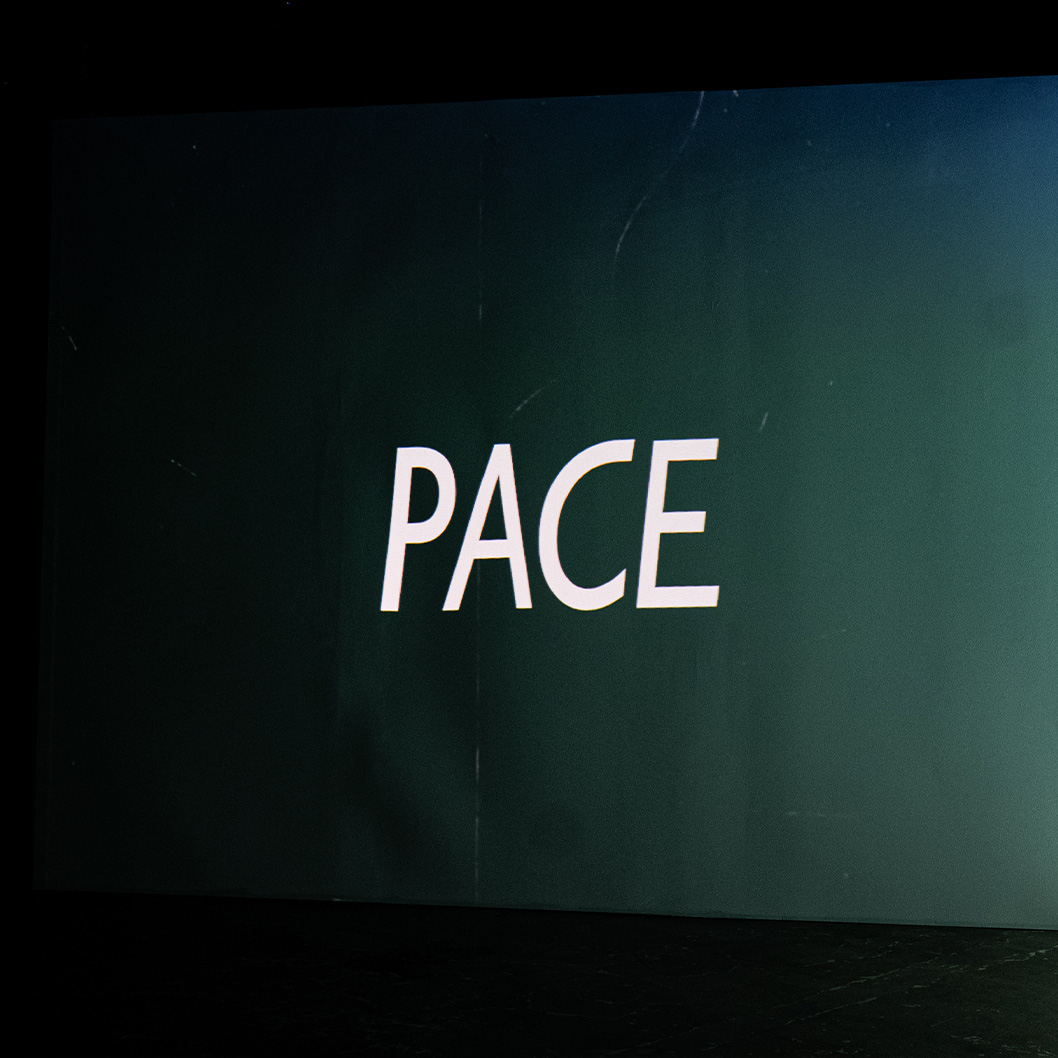


In her most recent micro-poetic film, Ana María Caballero pays homage to Pipilotti Rist’s Ever Is Over All and proposes an evolution in personal empowerment. Whereas Rist’s protagonist symbolically takes down failed systems, Caballero’s main character practices radical repair.
Pace posits that private joy is as powerful a form of resistance as destruction. Caballero stars in her own work, performing gleeful movements rooted in Latin American salsa music, which she grew up dancing and accesses as a source of resilience. As she advances, urban wreckage repairs.
By contrast, in Rist’s work, a woman smashes car windows with a flower as she walks down a street, an exuberant smile on her face, similar to the smile she’s given by a passing policewoman, who presumably approves of the destruction.
The works are connected through the protagonists’ outward and exaggerated expressions of self-possessed joy and their public (and thus out-of-place) physicality. Both works are also linked through the protagonists’ red shoes, signaling confidence in the trodden path.
This is the first work from Caballero’s ongoing Literal Litoral series of performative explorations that combines her live, performed poetry with cinematic AI.
In Pace, Madrid’s Calle del Barquillo is recreated through AI because a pharmacy that bears her father’s name, F. Caballero, exists there in actuality. Caballero pilgrimaged here daily as she mourned her father’s death, finding solace in its presence.
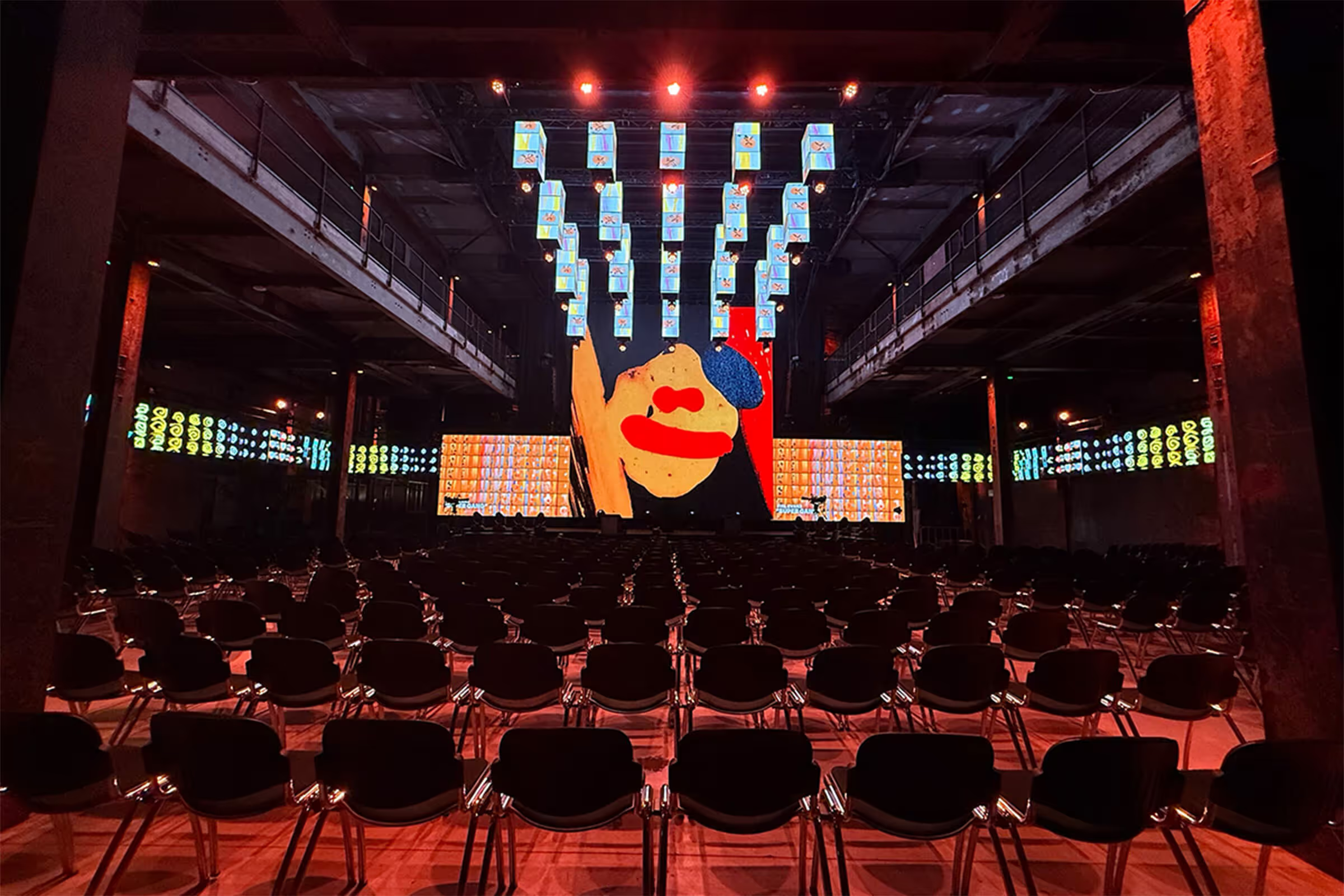
The second part of this multichannel installation consists of coded visuals, the result of a custom algorithm that reads Caballero’s body-in-motion and translates it into graphic marks, probing the connection between embodied experience and our attempts to record it.
We often consider that to encounter nature, we need to go somewhere to do so. But our bodies themselves are nature. Rist’s video pairs gleeful destruction with scenes of out-of-focus flowering scenes. In contrast, Caballero pairs radical repair with the body-as-sign, proposing closer relationships with ourselves as a first approach to systemic transformation.
Ana María Caballero is a multiple award-winning, transdisciplinary artist whose work interrogates the slippery boundaries between physicality and selfhood, language and perception, biological processes and their cultural narratives. Widely recognized across contemporary literature and digital art, she is the first living poet sold at Sotheby’s and the first artist to receive a triple finalist nomination for the Lumen Prize.
Her practice has been featured by outlets such as ArtNews, Monopol, artnet, Poetry International, and BOMB, and her works reside in institutional collections including the Reina Sofía, MACBA, the Fundación March, the Ashmolean, HEK Basel, Spalter Digital, and the Francisco Carolinum. A graduate of Harvard and the author of eight books, she is also the co-founder of the digital poetry gallery theVERSEverse.
She’s performed at the Venice Biennale, Art Basel, Gray Area, Fundación Telefónica, and Fundación March. Forbes named her one of 50 Latin Women to Follow in 2025.









.avif)




.jpeg)
.avif)


.avif)

.avif)

.avif)
.avif)
.avif)
.avif)
.jpeg)
.avif)


.jpg)
.avif)